Explore NeuroStar® TMS therapy in Scottsdale—a non-drug, non-invasive treatment option for adults struggling with depression.
● FDA-cleared NeuroStar TMS technology
● No medication, surgery or anesthesia
● Sessions may take as little as 19 minutes
● Most patients can return to normal activities afterward
● Insurance verification assistance available
Meet with our Scottsdale clinical team to learn whether TMS may be appropriate for you. No treatment commitment is required to request a consultation.
Complete the short form below, and a member of our team will contact you to discuss your questions, insurance benefits and possible next steps.
You may have tried medication, therapy or changes to your treatment plan without experiencing the improvement you hoped for. You may also be dealing with medication side effects that interfere with daily life.
NeuroStar TMS offers a different approach. Instead of working through the bloodstream, TMS uses focused magnetic pulses to stimulate areas of the brain involved in mood regulation.
TMS may be worth discussing when:
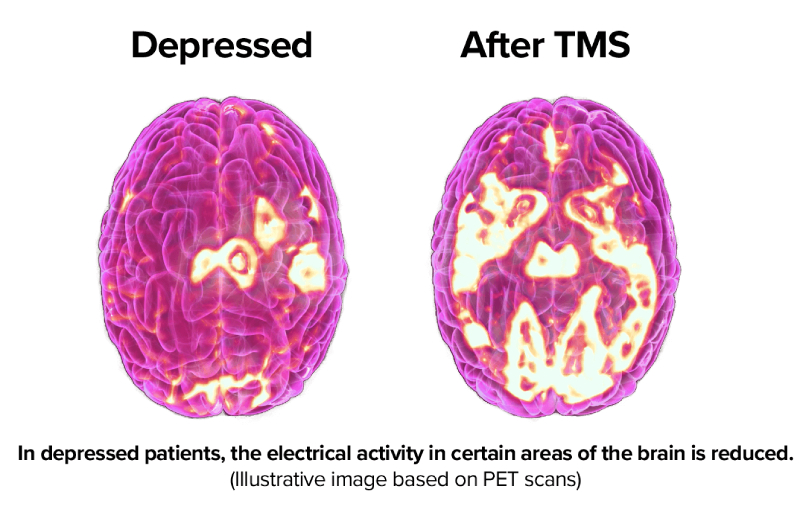
Transcranial Magnetic Stimulation (TMS) is a revolutionary non-invasive therapy that utilizes magnetic fields to stimulate specific areas of the brain associated with mood regulation. Unlike traditional treatments, TMS requires no anesthesia, allowing patients to drive to and from their appointments with ease.
For some people, antidepressant medication does not provide the level of relief they hoped for or may come with side effects that are difficult to tolerate. NeuroStar TMS is a non-systemic therapy, meaning it does not travel through the bloodstream like medication. Treatment is delivered directly in the office using magnetic pulses similar in strength to those used in MRI technology.

TMS does not circulate through the bloodstream like medication and does not produce the systemic side effects commonly associated with antidepressants.

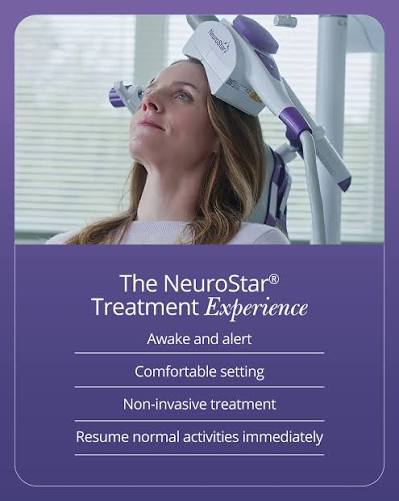
You remain awake and alert throughout treatment. No surgery, anesthesia or recovery period is required.

Sessions may take as little as 19 minutes, depending on the treatment prescribed.

Most patients can drive themselves home and resume normal daily activities after treatment.

TMS treatment should be guided by an experienced psychiatric team that takes the time to understand your symptoms, treatment history and personal goals.
Henry J. Schulte, MD, DFAPA, is a board-certified psychiatrist and Distinguished Fellow of the American Psychiatric Association with decades of experience treating depression and other complex mental health conditions. He has provided TMS therapy for more than a decade and offers personalized psychiatric care through medication management, psychotherapy and advanced treatment options.
Known for his compassion, sense of humor and commitment to treating every patient with respect, Dr. Schulte takes the time to understand each person’s unique needs. At The Schulte Institute, patients receive individualized guidance from the initial consultation through insurance verification, treatment planning and ongoing care.
NeuroStar reports that, in real-world outcomes data, 83% of patients completing treatment experienced measurable depression relief and 62% experienced remission. Outcomes vary by patient, and a consultation is needed to determine whether NeuroStar TMS is appropriate for your situation.
NeuroStar Advanced Therapy is available by prescription only. The most common side effect is temporary pain or discomfort at or near the treatment site. A rare risk of seizure has been reported with TMS therapy, and NeuroStar should not be used in patients with non-removable conductive metal in or near the head.
Many insurance plans may provide coverage for TMS when medical-necessity requirements are met. Our team can help verify your benefits, explain potential out-of-pocket costs and assist with required documentation before treatment begins.
Coverage may be available through plans such as:







Coverage and eligibility vary by plan and individual circumstances.
Speak with our team about your symptoms, previous treatment and questions about TMS.
If TMS may be appropriate, we will explain the recommended treatment plan and help verify your insurance benefits.
Treatment is provided in our Scottsdale office while you remain awake and alert. Your exact schedule and session length will be based on your individual prescription.
No. NeuroStar TMS is a non-drug, non-invasive treatment performed in-office using focused magnetic pulses.
Yes. You remain awake and alert during treatment. No sedation or anesthesia is required.
Sessions typically last between 19 and 45 minutes, depending on your treatment plan.
A typical course includes 36 sessions, often five days per week over approximately seven weeks.
Most patients can drive themselves home and return to normal daily activities after each session.
Coverage depends on your diagnosis, prior treatment history, and insurance plan requirements. The Schulte Institute can help verify your benefits before treatment begins.
The first step is a consultation with the clinical team to review your history, treatment goals, and whether NeuroStar TMS may be appropriate.
The Schulte Institute can help you understand whether NeuroStar Advanced TMS Therapy may be appropriate and whether your insurance plan may cover treatment.
We and the services embedded in this site — analytics, advertising, booking, maps and translation — collect information about your visit, including your IP address, your browser and the pages you view. Some of that information is shared with those companies. This happens as you browse. Read our Privacy Policy in Scottsdale.
